Quick summary:
| Colorado Tint Laws | |
|---|---|
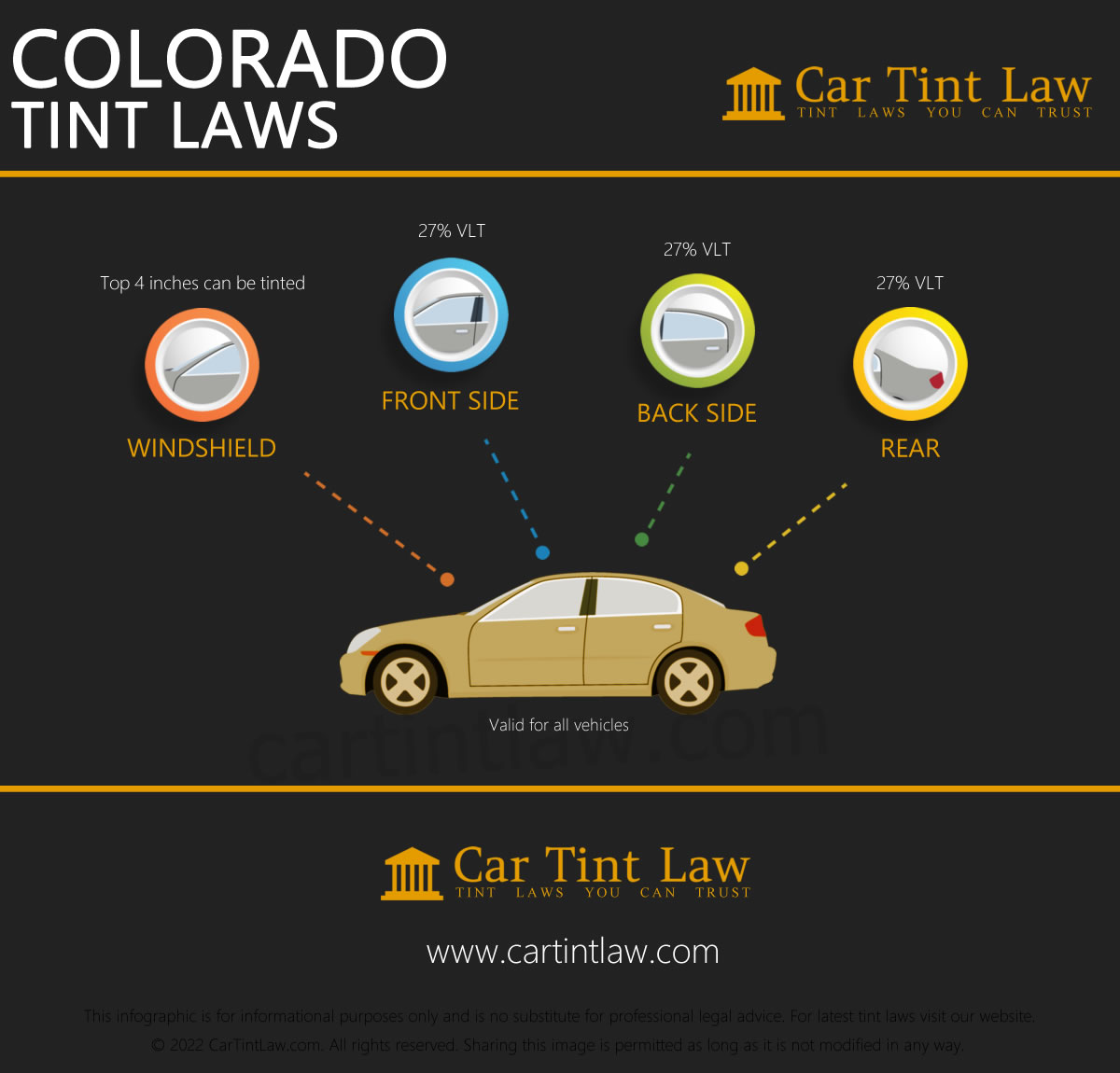
| Front Windshield | Top 4 inches |
| Front Side Windows | 27% |
| Back Side Windows | 27% |
| Rear Windshield | 27% |
Last updated on: . Confirmed accurate for 2026. Attorney verified
Colorado tint laws primarily regulate the darkness, but also specify other rules and regulations you need to know about such as reflectiveness or color restrictions. All laws are explained further below.
Window Tint Darkness in Colorado
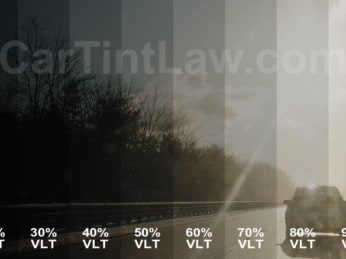
Window tint darkness is measured in VLT (Visible Light Transmission) percent. VLT indicates how much light passes through both the film and the glass.
Drag the blue slider above to preview tint darkness. In most real world cases, applied tint will appear 10-20% darker compared to our tool.
See: VLT explained with chart and darkness examples
How dark can your window tint be in Colorado?
Here's exactly how much VLT is allowed on your auto window tint in Colorado (CO), categorized by passenger and multi-purpose vehicles.
Tint darkness for passenger vehicles:
- Windshield: Non-reflective tint is allowed on the top 4 inches of the windshield.
- Front side windows: Must allow more than 27% of light in.
- Back side windows: Must allow more than 27% of light in.
- Rear window: Must allow more than 27% of light in.
Passenger vehicles include: sedan, coupe, convertible, station wagon, hardtop and hatchback vehicles.
Tint darkness for multi-purpose vehicles (MPV):
- Windshield: Non-reflective tint is allowed on the top 4 inches of the windshield.
- Front side windows: Must allow more than 27% of light in.
- Back side windows: Must allow more than 27% of light in.
- Rear window: Must allow more than 27% of light in.
Multi-purpose vehicles include: SUV, pickup, van, truck, RV, and minibus.
AS-1 line typically extends 4-6 inches parallel to the top of your windshield. AS-1 designation line is typically marked in bottom or top edge of your windshield.
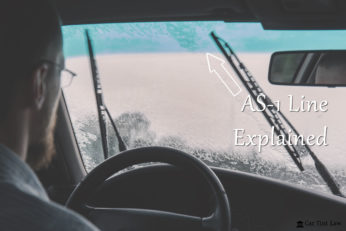
Some state tint laws specify exact number of inches you are allowed to tint on front windshields. Other states define this windscreen area simply as an AS-1 line. Learn more about AS-1 Line.
Federal vehicle ID label found on driver's front door frame will tell you whether your vehicle is classified as passenger or multi purpose vehicle.
How reflective can your window tint be in Colorado?
Tinting film may contain metallic elements which help in reflecting incoming light. This reduces glare and heat generated by visible light. Below you can find out how much reflection is permitted on your car window tint film by law in Colorado.
Tint reflection for sedans:
- Front Side windows: No metallic or mirrored appearance.
- Back Side windows: No metallic or mirrored appearance.
Tint reflection for SUV and vans:
- Front Side windows: No metallic or mirrored appearance.
- Back Side windows: No metallic or mirrored appearance.
Learn about Reflective window tint.
Other Colorado tinting rules and regulations:
Other laws, rules and regulations in Colorado include the following:
Dual side mirrors are required if back window is tinted.
The tint color(s) of RED and AMBER are not legal by state law.
Film manufacturers don't need to certify the film they sell in Colorado.
State law recommends but does not require stickers to identify legal tinting.
Colorado law does NOT allow medical exemptions which would allow you to use darker tint.
Remember that state tint laws may be interpreted differently by your local law authorities. Get in touch with your county DMV or police department to make sure you are not breaking Colorado window tinting laws, rules and regulations.
Our article about Colorado tint laws is up to date as of 2026. Last change was made on September 29th, 2026 (approximately 1 week ago).
You can rest assured our legal experts are immediately notified of changes, and will always update this article with latest legislation when required.
Official law sources:
Colorado Revised Statutes 42-4-227: Windows unobstructed; certain materials prohibited (Section 42-4-227)
More Colorado traffic law questions?
Our partnered traffic lawyers are always online and ready to answer your questions. Get immediate answers from real attorneys and experts in their field! Ask a question now »
Ask a lawyer »